
Differences Between ETDS, e-Ledger and e-Inventory (2026 Guide)
1. What Is ETDS (Electronic Commercial Ledger System)?
ETDS is a new-generation digital ledger system developed by the Revenue Administration (GIB). Designed as a continuation of the e-Ledger structure, it stands out with more comprehensive data sharing and automatic control mechanisms.
Key features of ETDS:
- Management of tax and commercial ledgers in a single system
- Real-time data transfer between the taxpayer and GIB
- Integrated handling of e-Invoice, e-Waybill and e-Ledger data
- Automatic detection of erroneous records by the system
As of 2026, ETDS has started a mandatory transition process for e-Ledger users.
2. e-Ledger: Keeping Legal Ledgers in an Electronic Environment
The e-Ledger is the system that enables businesses to prepare and store their journal and general ledgers (defter-i kebir) in a digital environment. e-Ledger records are created in the GIB format, sealed and archived electronically.
Advantages:
- Eliminates the printing and notarization costs of paper ledgers
- Speeds up audit processes
- Reduces erroneous accounting records
- Eliminates the risk of document loss through digital archiving
Thanks to Nimbo's Mikro Software Consulting Service, businesses can set up their e-Ledger systems in compliance with the legislation and manage all processes without errors.
3. e-Inventory: Digital Tracking of Stock and Assets
e-Inventory is the system in which all of a business's assets, stock, materials and equipment are recorded in a digital environment. Unlike the e-Ledger, it focuses on physical and operational data management rather than financial data.
With e-Inventory:
- Stock entry-exit movements are recorded digitally
- Production and warehouse processes become traceable
- Depreciation and useful life of assets are tracked
- Transparent reports are provided during audits
Nimbo's Mikro Production Planning solution works fully integrated with the e-Inventory structure and digitalizes businesses' production and stock tracking.
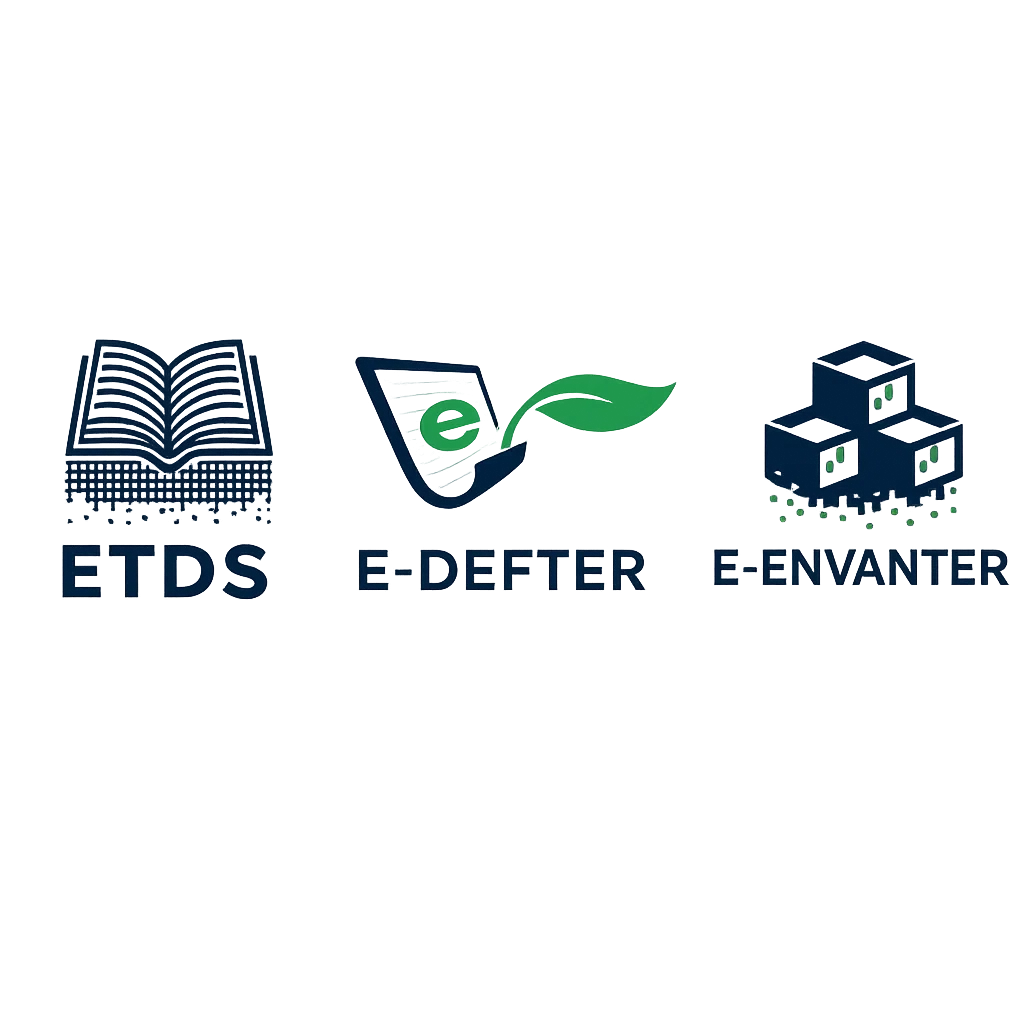
4. Differences Between ETDS, e-Ledger and e-Inventory
| Feature | ETDS | e-Ledger | e-Inventory |
|---|---|---|---|
| Scope | All commercial records | Financial ledgers | Physical asset and stock records |
| Legal Requirement | Being expanded as of 2026 | Mandatory | Still sector-based |
| Data Structure | Extended XML/JSON | GIB format (XBRL-GL) | Integrated ERP structure |
| Purpose | Combining all processes in a single system | Legal ledger retention | Operational transparency and traceability |
| Nimbo Solution | Integrated consulting & automation | Mikro Consulting Service | Mikro Production Planning & Inventory Module |
5. Bring All Your Data Together Under One Roof in Digital Transformation
Records kept scattered across different systems create both legal and operational risk in the long run. For this reason, Nimbo offers businesses integrated data management with its Mikro Cloud Software solution, which unites all systems under one roof.
Advantages:
- Stores ETDS, e-Ledger and e-Inventory data in the same environment
- Provides secure access from anywhere
- Offers automatic backup and fast reporting
Conclusion: In 2026, Compliance, Integration and Efficiency Come Together
In the new era, not only legal compliance but also integration and data integrity have become a strategic priority for businesses. Configuring ETDS, e-Ledger and e-Inventory systems correctly provides a great advantage in terms of efficiency, security and sustainability.
Nimbo Yazılım is by your side in all digital accounting processes with its Mikro-based solutions.
Have a question about something you read?
We are happy to talk it through — no obligation. Request a demo or ask for pricing and our team will get back to you shortly.